
Turning salt water Into Chlorine: understanding the electrolysis process
15 Feb 2013
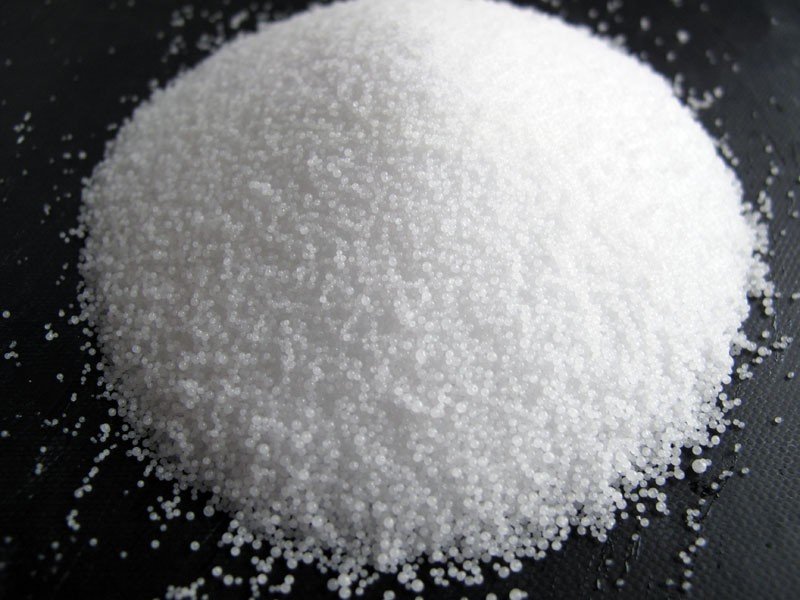
A chlorine production unit starts with water and then adds salt which comes from salt mines to make brine.. Sometimes salt is also obtained by evaporating sea and salt lake water.
If you put electricity (= electrons) through this brine under controlled circumstances, an electrochemical reaction takes place which is called electrolysis. The salt (NaCl or sodium chloride) and the water molecules are combined into three products: chlorine gas (Cl2), caustic soda (NaOH or sodium hydroxide) and hydrogen gas (H2)
All three substances are highly reactive, and technologies have been developed to separate them and keep them apart. While Chlorine is used in hygiene, sanitation and industry, its co-products also have many varied uses:
- Caustic soda is an alkali and widely-used in many industries, including the food industry, textile production, soap and other cleaning agents, water treatment and effluent control.
- Hydrogen is a combustible gas used in various processes including the production of hydrogen peroxide and ammonia as well as the removal of sulphur from petroleum derivative.